
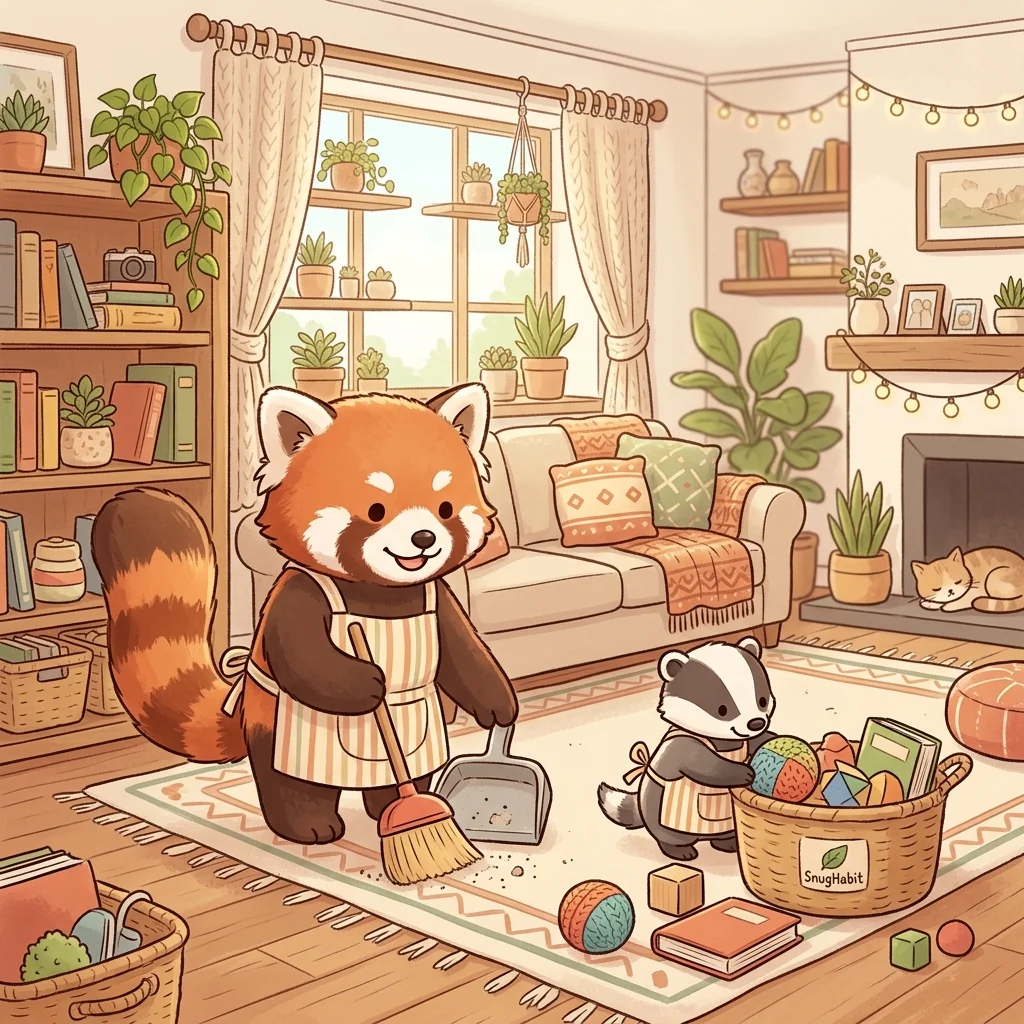
If you’ve ever found yourself standing in a messy living room, repeating the words “please put your shoes away” for the tenth time today, you are not alone. Many parents find themselves trapped in the role of the "Nagging Supervisor." You are the one carrying the mental load, planning the cleaning, issuing commands, and verifying the quality of the work. This constant management cycle is a major, often overlooked contributor to parental burnout.
But what if you could step down as supervisor and become a supportive guide instead? By shifting actual ownership of housework to your kids, you can reduce your own burnout while teaching your children independence, confidence, and teamwork.
The Trap of the Nagging Supervisor
When we assign one-off chores like "take out the trash right now," we remain the project manager. The child is simply executing a command under duress. This dynamic creates friction because:
- It breeds resentment: Kids feel controlled and micromanaged.
- It drains your energy: Remembering what needs to be done, assigning it, and following up takes more mental energy than just doing the chore yourself.
- It doesn't build long-term habits: If the supervisor is away, the work stops.
To break this cycle, we must move from task assignment to complete ownership.
From Supervisor to Guide: Shifting Ownership
Shifting ownership means giving your child responsibility for a specific domain. For example, instead of asking them to clear their plate, they become the "Dining Area Guardian." They own the routine of clearing the table after dinner, wiping it down, and checking it off.
Here is how to make this shift successful:
1. Involve Kids in the Setup
Autonomy is a powerful motivator. Sit down as a family and list all the daily tasks. Let your children choose which areas they want to take ownership of. According to child development guidelines on Raising Children Network, involving kids in deciding their roles increases their buy-in and fosters a stronger sense of family cooperation.
2. Accept "Good Enough" and Avoid Re-doing
One of the hardest parts of shifting ownership is letting go of perfection. If your child folds their laundry and it’s slightly wrinkled or uneven, resist the urge to refold it. Re-doing their work sends a clear message: “You aren’t capable, and I will fix it.” Over time, this discourages them from trying. Let their standard of work stand, and offer gentle guidance next time rather than correcting it immediately.
3. Cultivate Trust (The No-Proof Model)
If you have to inspect every chore with a magnifying glass, you haven't actually shifted the mental load. Trust is essential. In SnugHabit, we built the core app design around a trust-first system. Kids check off their own habits, and the app celebrates their success. Trusting your children builds self-esteem and makes them more likely to behave honestly and take pride in their contributions.
How Gamification Helps Prevent Burnout
Shifting ownership is easier said than done, especially when chores feel boring. That’s where gamification comes in. By converting housework into a game, you remove the negative emotional weight of chores.
In SnugHabit, tasks are represented by clearing "Grey Dust" to heal habitats. Completing tasks rewards kids with items for their Personal Sanctum and experience points for their Companion. When children see their progress represented visually, housework stops being a chore and becomes a satisfying daily quest. The app acts as the neutral "tracker," removing the parent from the nagging equation entirely.
Join the waitlist
Love these tips? Be the first to know when SnugHabit launches and secure your early access perks.
Conclusion
Reducing parental burnout isn’t about doing less; it’s about sharing the load as a team. As supported by resources on HealthyChildren.org from the American Academy of Pediatrics, chores are not just tasks to be done; they are opportunities for children to build confidence, competence, and a sense of belonging in the household.
By stepping back, letting go of perfection, and using cozy tools like SnugHabit to manage routines, you can reclaim your peace of mind and watch your children grow into capable, helpful team members.