If you've ever tried to get a child to clean their room, you've probably faced the dreaded "chore resistance." Standard reward charts with static stickers can help for a few days, but the excitement quickly fades. That is because they treat household tasks as a transaction: work equals reward. But what if maintaining our homes could feel less like a chore and more like a cozy game?
Enter cozy gamification—an approach that uses specific game design elements to make housework feel low-stress, engaging, and rewarding for children. By studying the design principles that make games like Stardew Valley or Animal Crossing so beloved, we can redesign how we delegate housework to kids.
The 3 Pillars of Cozy Game Design
In 2017, a game design think tank called Project Horseshoe published a groundbreaking report, "Coziness in Games: An Exploration of Safety, Softness, and Satisfied Needs." They identified three core pillars of cozy design that are highly applicable to everyday family life:
- Safety (Absence of Threat): In cozy games, there are no "Game Over" screens. If a player fails to harvest their crops, they don't lose the game. Similarly, when gamifying chores, we must remove negative reinforcement, punishments, and strict deadlines. A child should feel safe to help at their own pace without constant pressure.
- Abundance: Cozy worlds are designed so that players never feel a sense of deprivation. By ensuring your kids feel secure and loved, they can focus their energy on higher-order desires, like creativity, organization, and helping others.
- Softness: This refers to the aesthetic and pacing. Cozy games use gentle pastel color palettes, calming sound effects, and slow pacing. Our chore systems should feel gentle and visually pleasing rather than demanding and harsh.
How SnugHabit Applies Cozy Gamification to Chores
At SnugHabit, we built these exact principles into the core of our platform to help families build lasting cleaning habits. Here is how we apply cozy game design elements to everyday chores:
1. The Visual Magic of Clearing "Grey Dust"
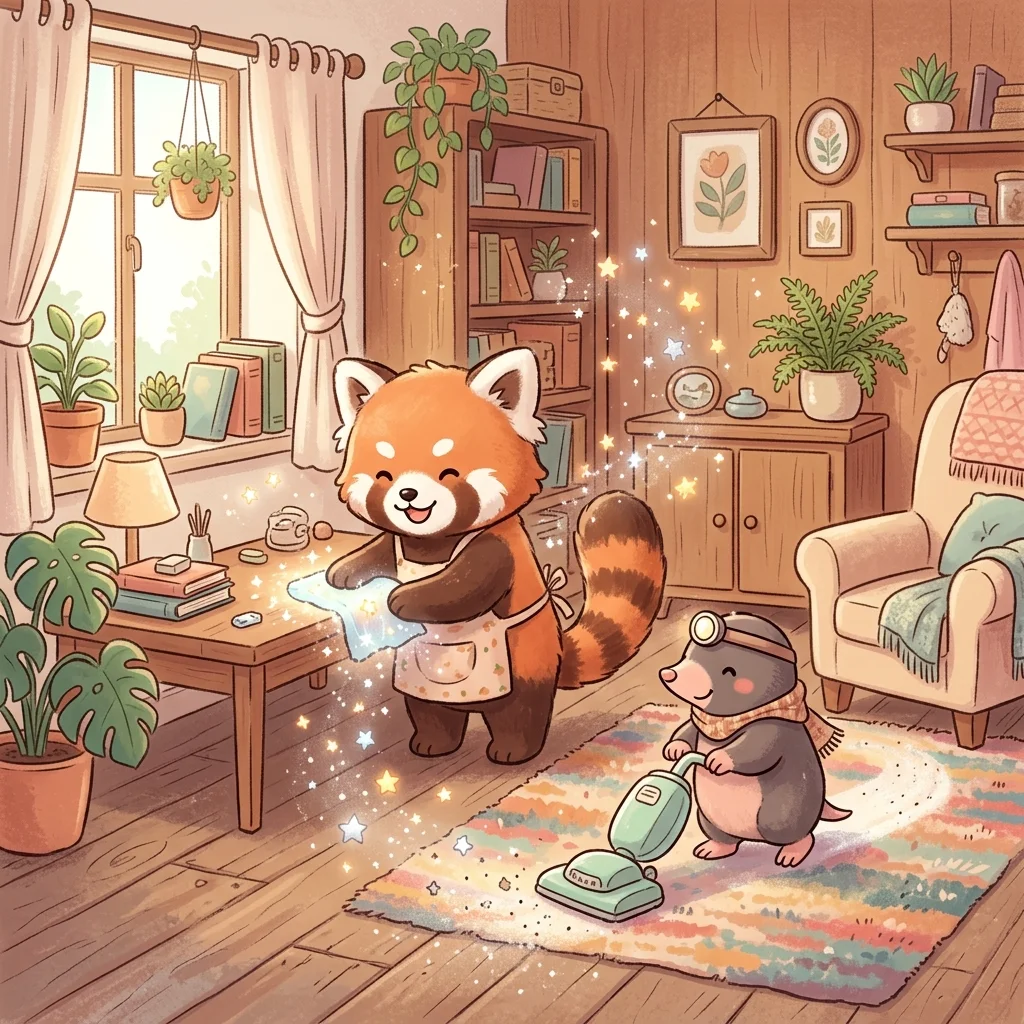
In games, visual progression is incredibly satisfying. SnugHabit starts with rooms covered in "Grey Dust." As your child completes real-life tasks like folding clothes or making the bed, the dust begins to clear, revealing a bright, colorful, and decorated digital room. This immediate, visual feedback loop turns clean-up time into a satisfying aesthetic transformation.
2. Cute Creatures as Guardians
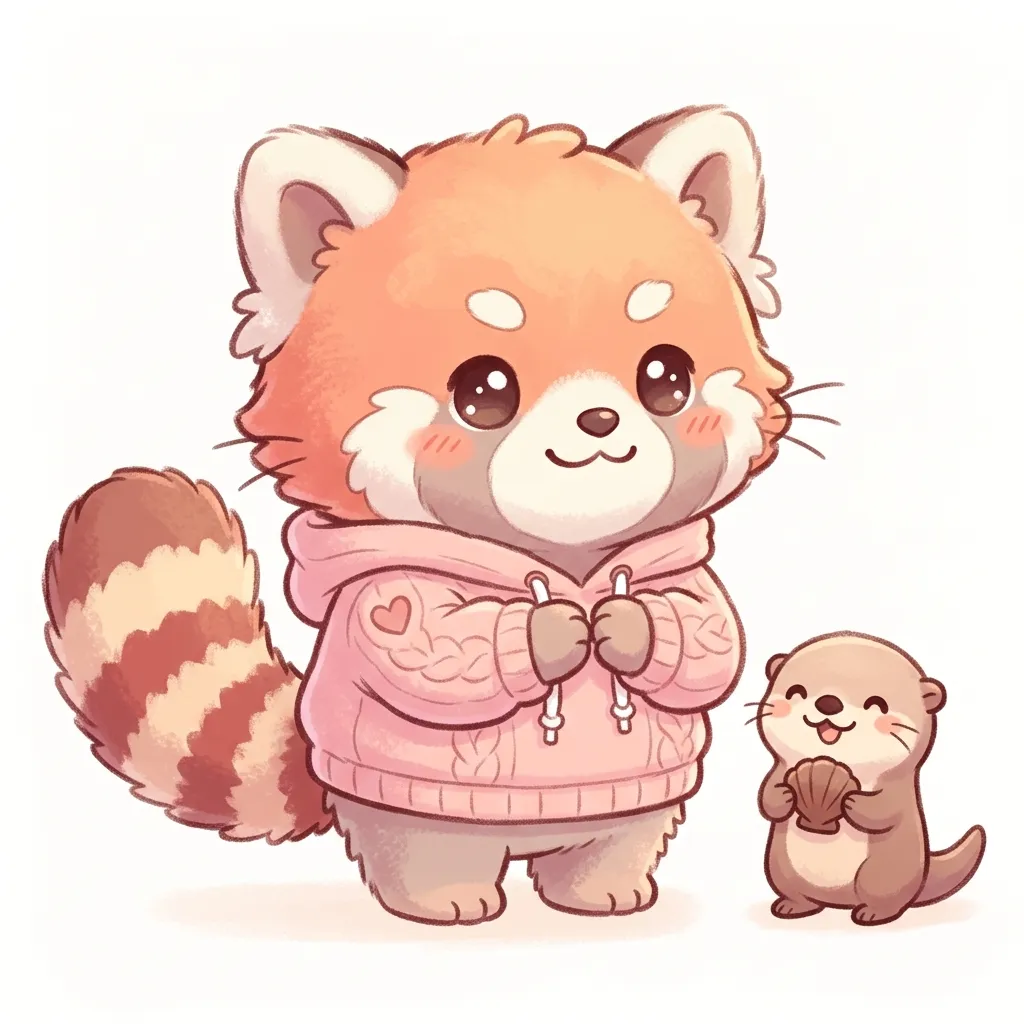
A central tenet of cozy gaming is comfort. Instead of a sterile checklist, children in SnugHabit are accompanied by cute companion animals called Global Guardians (like Otters, Red Pandas, or Moles). These characters offer encouragement, guide children through their routines, and provide unique bonuses, making the chore list feel like a friendly team quest.
3. Autonomy and Shared Ownership
Cozy games are about personal expression and self-paced exploration. SnugHabit replaces the traditional parent-supervisor model by allowing kids to choose how they decorate their digital spaces (their "Personal Sanctum") using points earned from chores. This gives them real agency over their digital achievements, which naturally translates into real-world pride and responsibility.
Join the waitlist
Love these tips? Be the first to know when SnugHabit launches and secure your early access perks.
Conclusion
Gamification is not about bribing your children; it is about changing the emotional climate around housework. By introducing safety, aesthetic progression, and friendly companions into your daily routine, you can make housework feel rewarding and low-stress for the whole family. If you're ready to transition your household chore system from stressful nagging to cooperative play, try a cozy chore gamification app for kids like SnugHabit today!
For more research on how games create cozy environments and relax our minds, you can check out the comprehensive Wikipedia guide on cozy games.